
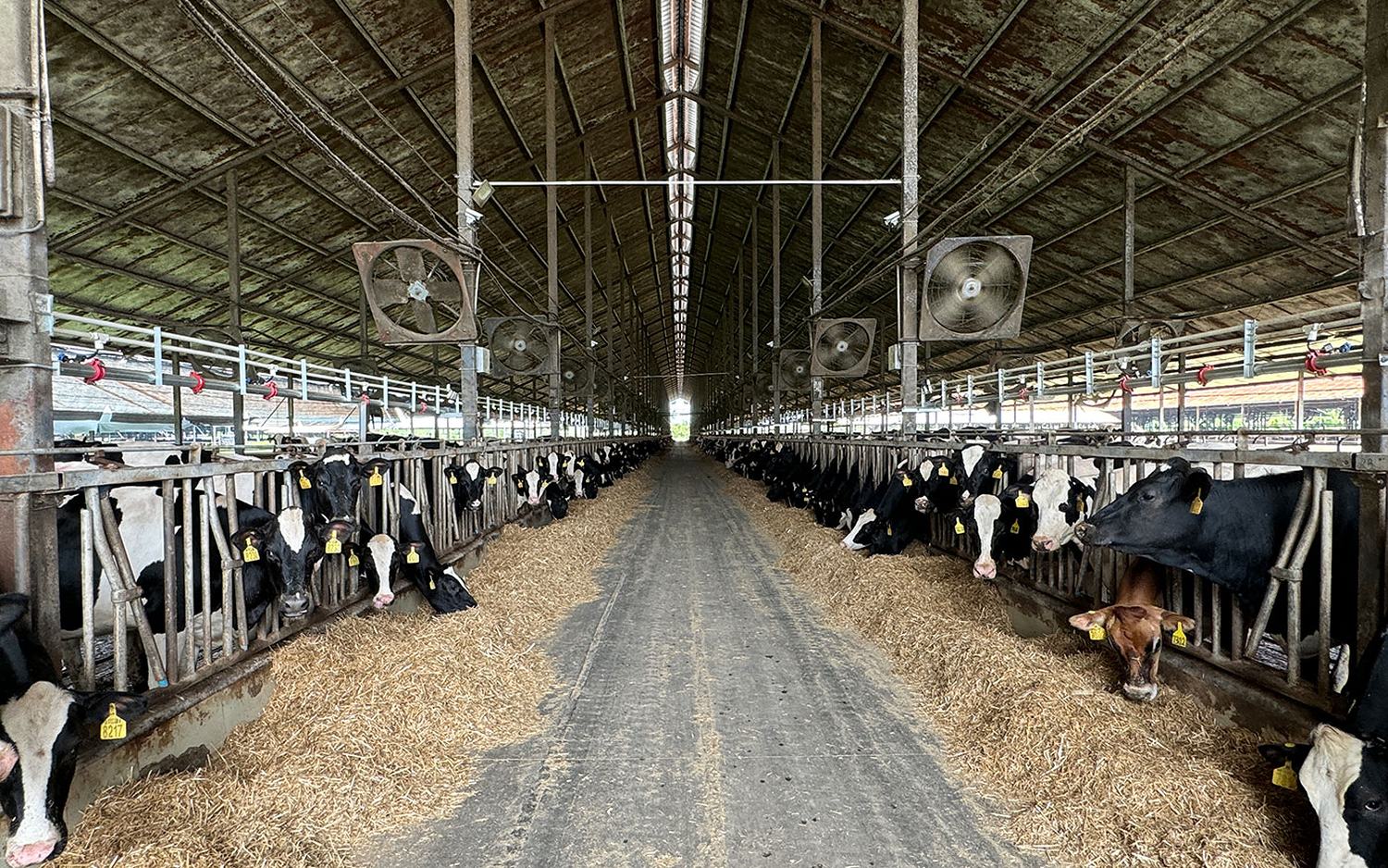
DB5 Precision Soaker
Each soaker runs its own cycle and reports live status and operating history — and the same nodes are the direct upgrade path to Vision Soaking.



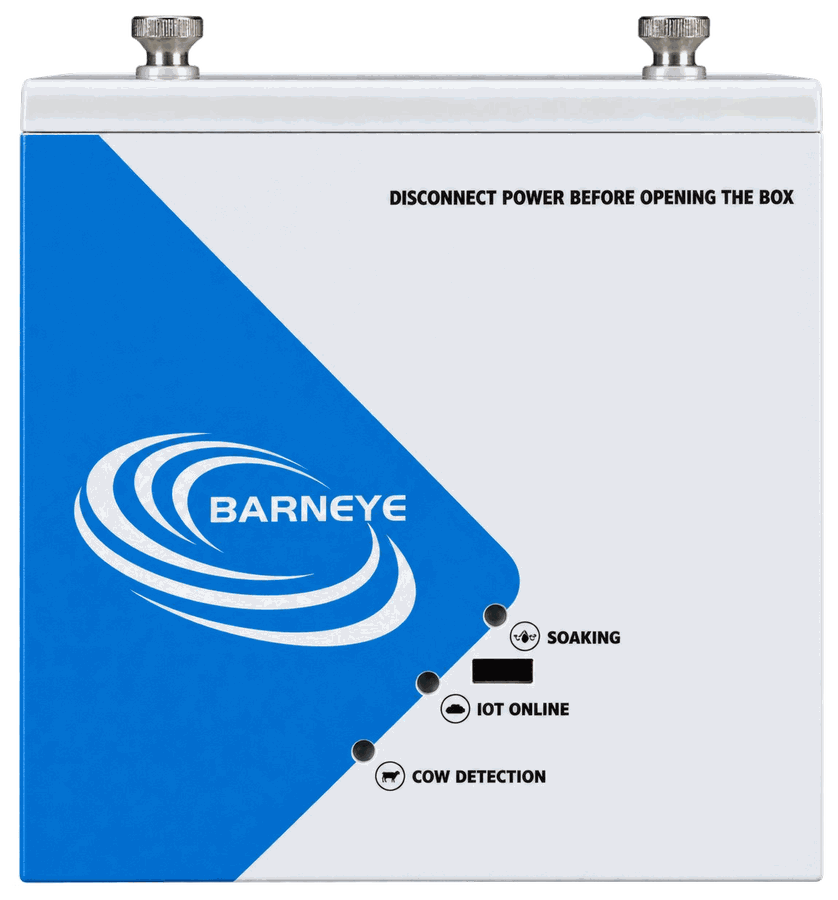 Photo for reference only. The actual product may vary.
Independent control. Live operating data.
Every DB5 detects, decides and soaks on its own. There is no shared cycle to schedule and no single point that decides for the whole alley — each node reports its status and operating history back to the system, and each node is ready to take a camera.
- 1:1 — every DB5 runs its own detection and soaking cycle
- Two-way data: commands down, live status and operating history up
- Vision-ready architecture — the same nodes take a camera upgrade
- Motion activation cuts soaking water use by more than 60 %
- 1 : 1Independent cycle per soaker
- 60 %Less soaking water
- 1.5–2.1 mStandard spacing options
- VisionDirect upgrade path
Why the DB5 is specified
Four reasons it is chosen where the operating record matters.
Independent soaking
Every DB5 detects, decides and soaks on its own cycle, so one node cannot hold up the alley.
Two-way data
Send commands and retrieve live status and operating history — the operating record comes from the device, not from an assumption.
Vision-ready
The same independently controlled nodes make a Vision Soaking upgrade a camera and software step rather than a re-installation.
60 % less water
Motion activation can reduce soaking water use by more than 60 % against timed soaking.
How it works
One node, one cycle, one record.
- 01 Detect A cow enters the zone the DB5 is watching.
- 02 Soak The DB5 runs its own soaking cycle for that position.
- 03 Report Status and operating history return to the system.
From motion soaking to Vision Soaking
The same independently controlled nodes take the camera upgrade.
- Spacing options Set the units at 1.5, 1.8 or 2.1 m (5, 6 or 7 ft) along the feedline.
- DB5 nodes Independent soaking, live status and operating history, position by position.
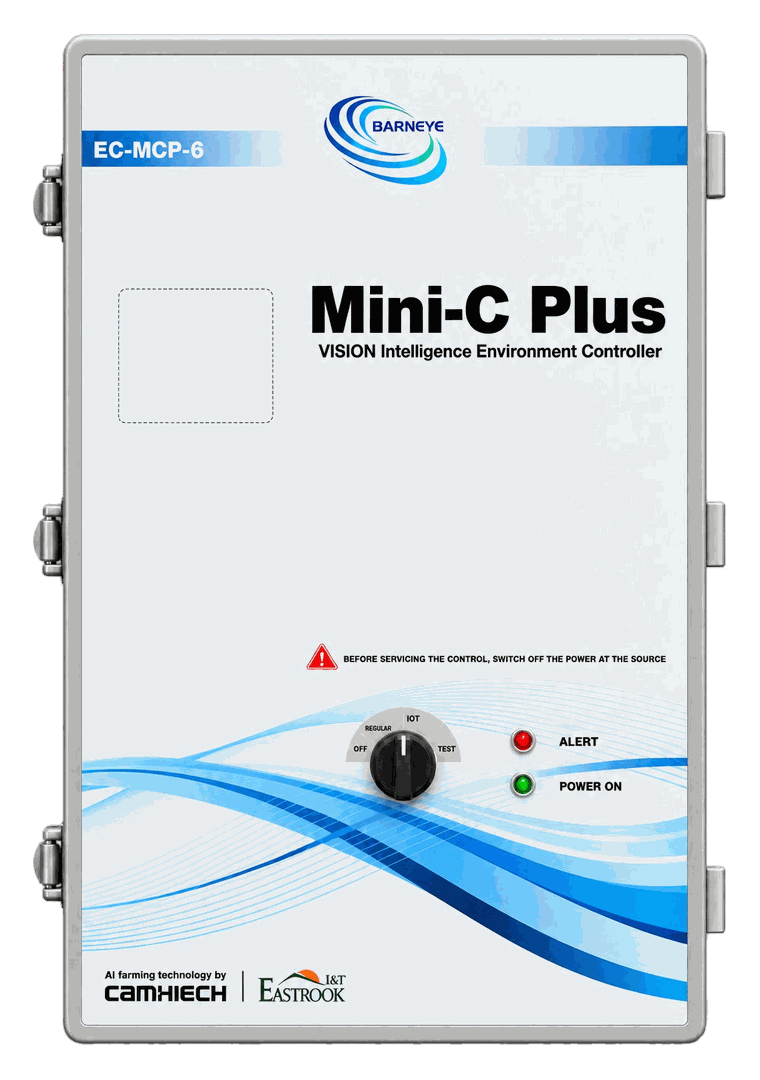
- Vision Soaking The same nodes plus Mini-C Plus and a camera — the upgrade is additive.
Key specifications
| Parameter | Specification |
|---|---|
| Supply voltage | 24 V DC |
| Device power | 12 W incl. valve |
| Operating current | 0.47 A incl. valve |
| Housing | ABS plastic |
| Dimensions | 235 × 205 × 160 mm |
| Solenoid valve | 24 V DC / 10 W |
| Valve protection | IP66 |
| Standard flow rate | 3.5 L/min |
| Detection distance | 0.75–1.0 m |
| Detection angle | ±60° |
| Standard spacing | 1.5 m / 5 ft · 1.8 m / 6 ft · 2.1 m / 7 ft |
Normally specified with
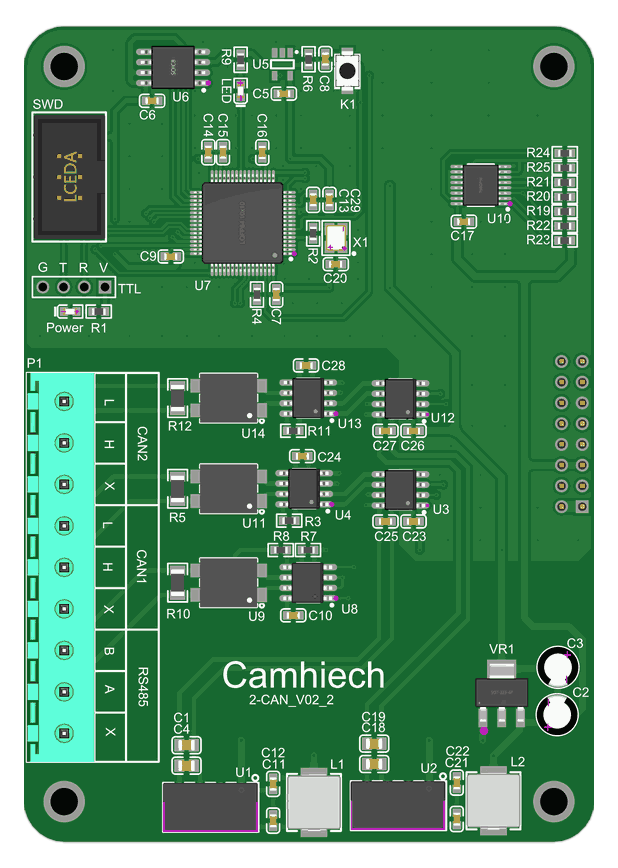
The other half of the system — and the controller the site will already have.
Planning a soaking line with data?
Tell us the feedline length and whether Vision Soaking is on the roadmap. We will size the nodes and show what the operating history looks like.
Ask an engineer