TargetSoak · Basic grade

Soaking that follows the cows

The entry grade of BARNEYE precision soaking: one DB7 controller, a row of DB3 motion soakers, and no water wasted on a full feedline that is mostly empty.

The system

Soak where the cows are — not where the clock says

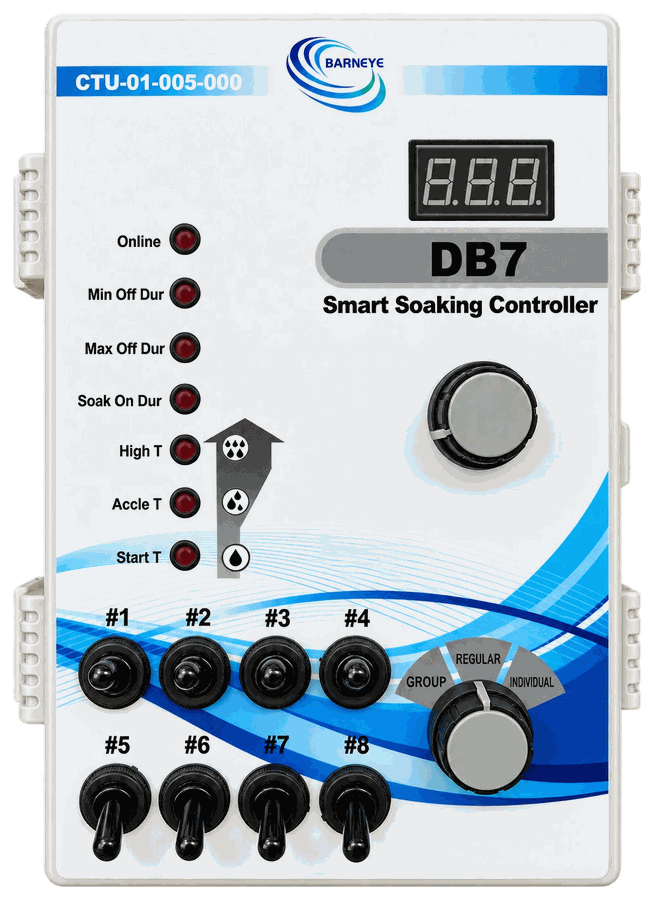
TargetSoak Basic is the entry grade of the BARNEYE precision soaking system. It is built from two pieces of hardware: a DB7 Smart Soaking Controller and a line of DB3 Motion Soakers clamped along the feed rail.

The DB7 switches up to eight soaking circuits and holds the soaking strategy. Each DB3 watches its own stretch of feedline: when a cow puts her head through the rail the circuit opens and wets the feed; when she steps back it closes. Nothing is soaked on a timer, and no water lands on an alley where no cow is standing.

Because the sensing, the status lights and the solenoid valve are already assembled inside the DB3 enclosure, the whole system runs on 24 V DC — no separate valve rail, no junction boxes hanging off the feedline, and no per-unit calibration on site.

Download the TargetSoak brochureTargetSoak · Basic to Advanced · English · 2 pages · 698 KB PDF
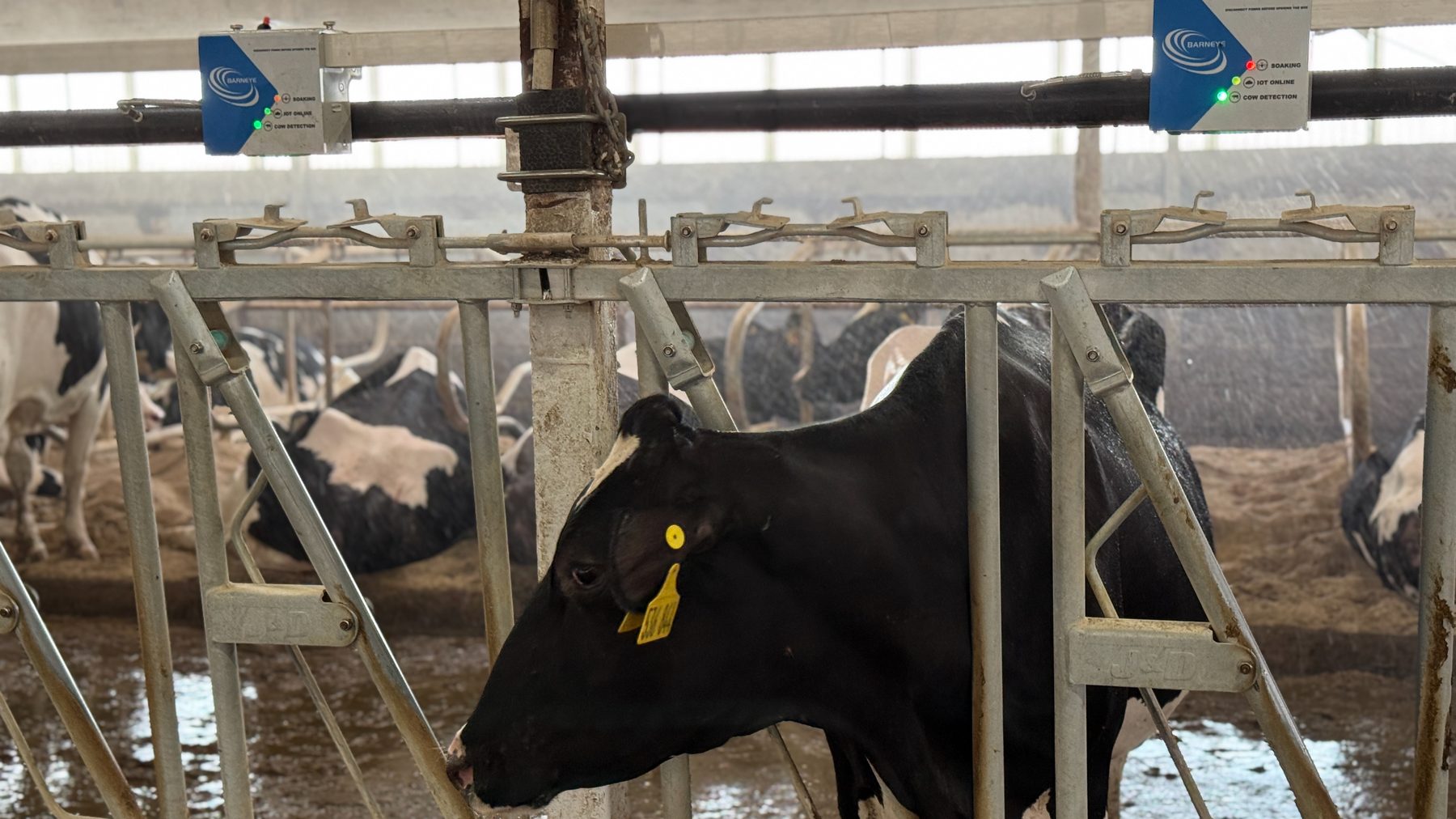
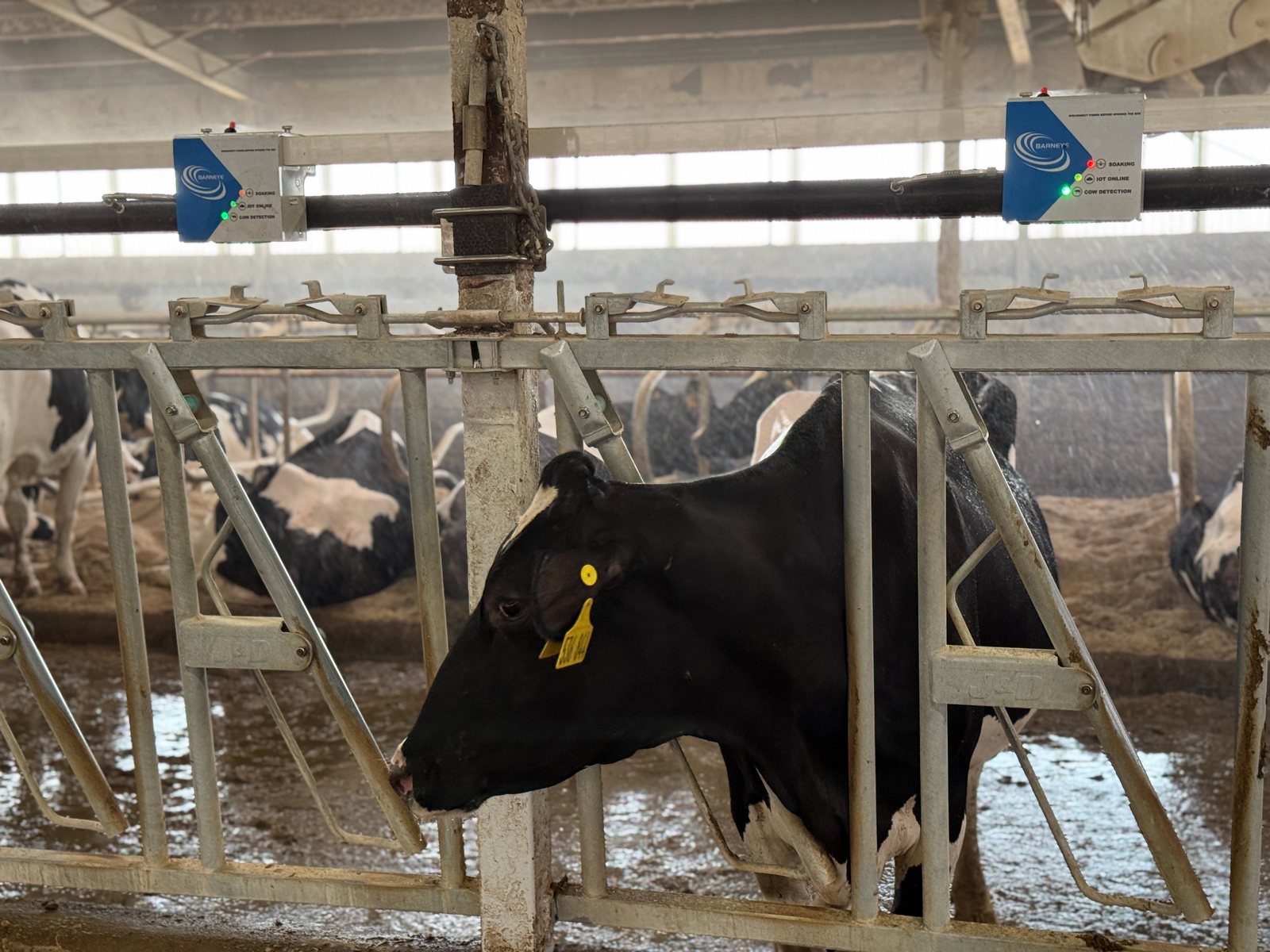
Dairy cows at the feed rail of a BARNEYE project barn, with the soaking line running along the rail above them
Feed alley on a BARNEYE project in Mexico, 2025. The soaking line runs along the feed rail, so every DB3 looks straight down into the feed space.
  • 8Soaking circuits on one DB7
  • 60 %+Less water than timed soaking
  • 1.5–2.1 mStandard spacing options
  • 24 V DCSensing, control and valves
Equipment

What the system is made of

Two part numbers do the work, and one of them is optional. The feedline, the water line and the service end of the barn are all reused as they stand.

One per system · 8 circuits

DB7 Smart Soaking Controller

The brain of the system. Eight individually switched 24 V outputs, one per soaking circuit, with three operating modes and a front panel that works fully offline. Connect it to the BARNEYE platform when you want strategies set remotely.

  • 8 × 24 V switched outputs
  • Regular, Group Precision and Individual Precision modes
  • Local setup from the panel, or remote setup through the platform
  • IP66 enclosure, 300 × 200 × 170 mm
Open the DB7
CTU-01-002-001One per 1.5–2.1 m of feedline

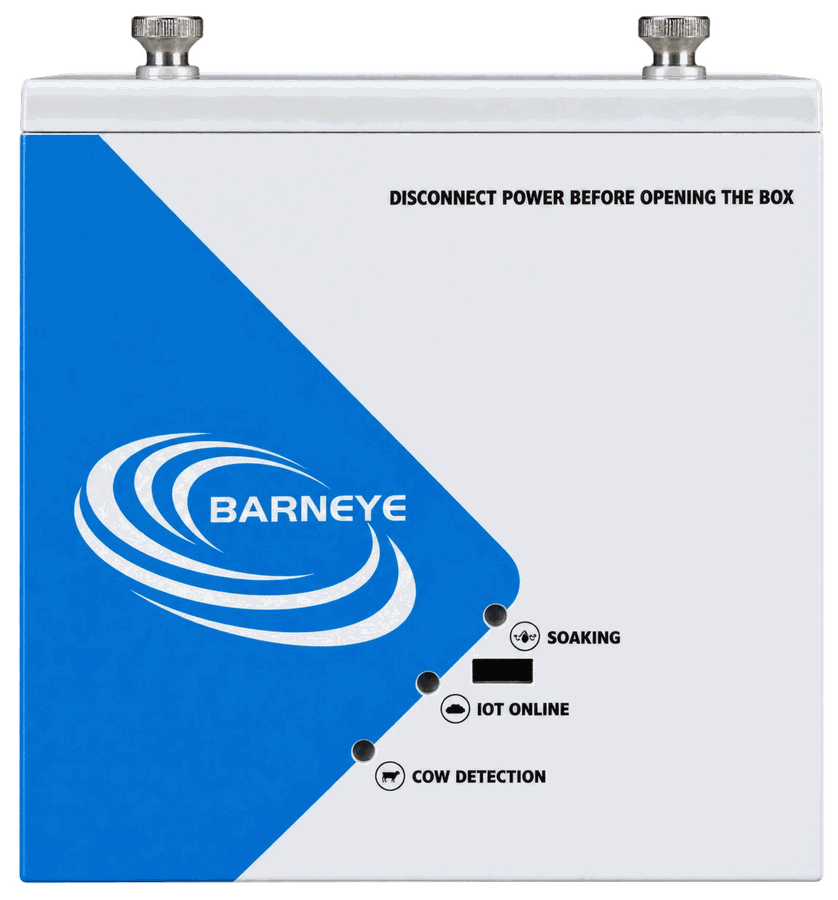
DB3 Motion Soaker

The field unit. Motion sensing, three indicator lights and the 24 V solenoid valve are assembled inside one standardised enclosure that clamps straight onto the feedline rail at 1.8–2.0 m — high enough to look down into the feed space and out of reach of the animals.

  • 60° detection cone, 0.75–1.0 m range
  • 3.5 L/min standard flow rate
  • Red, yellow and green status lights on the face
  • 304 stainless bracket, IP66 solenoid valve
Open the DB3
COM-01-003-004One per barn network · DIN rail

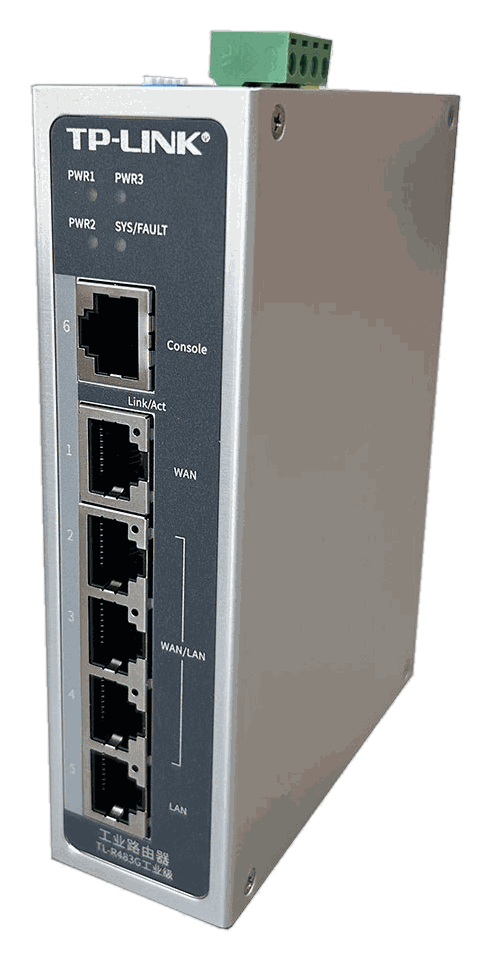
Industrial router

The uplink that puts the barn on the farm network. Multi-WAN and gigabit, on a DIN rail, so the platform can reach the controller and keep reaching it when one WAN drops. Without it the system still runs locally — it just stops being remote.

  • Multi-WAN gigabit uplink
  • DIN rail, barn cabinet
  • Keeps the platform link up across a dropped WAN
Open the industrial router
Layout

Where TargetSoak Basic sits in the barn

A typical four-row barn: two 5.5 m central feed alleys, a 10 m cow crossing through the middle and eight groups of pens. Soaking is concentrated on the two feed alleys — the only place the cows actually stand long enough to need cooling.

Example layoutThis drawing is an example. Its basic conditions come from Live Barn and it is not an actual dairy barn — it shows how a layout is put together and must not be used as a configuration reference for any real project.Talk to us and we will prepare a solution for your barn

Four-row dairy barn, 8 pen groups (18+18 and 19+19 beds). 256 DB3 soakers along the two central feed alleys; the lying areas are left dry.

  1. 1
    Central feed alley — 5.5 m eachBoth feed alleys carry the soaking line. Lying, resting and walking areas stay dry, so bedding stays drier and there is no slip risk in the alleys the cows use to move.
  2. 2
    DB3 motion soakers — 256, one per ~1.5 mThe orange droppers along the rail, each with its teal DB3 module beside it. Spacing along the rail sets the count; there is no separate aiming or calibration step.
  3. 3
    Spray runs — 256 drops, one trunk per alleyA single orange trunk runs each feed alley and every soaker drops off it. An open circuit never runs further than the bunk it serves.
  4. 4
    10 m cow crossing — left dryThe crossing is deliberately unsprinkled: no water on the walkway the animals use to change rows, and no circuit switching for cows that are only passing through.
Why TargetSoak Basic

What you get for it

Four things change the day the system is commissioned — and three of them are about the installation rather than the cows.

60 %+ less water

A circuit opens only where a cow is feeding. Across BARNEYE motion-soaking installations this removes more than 60 % of soaking water use compared with conventional timed soaking — and because only a few circuits are ever open at once, the demand on the water line drops with it.

Plug & Play

Every DB3 is a finished, standardised unit. Clamp it to the rail, give it a 24 V feed, and it is working — there is no valve to plumb separately, no sensor to aim and no board to configure. Coverage is set by spacing along the rail, not by tuning each unit on site.

One integrated assembly

Sensing, indicators and the solenoid valve live inside one IP66 enclosure. That removes the separate valve rail, the junction boxes hanging off the feedline and the loose cabling that cows work against — and it removes the usual source of call-outs.

Easy to install, easy to finish

Bracket mounting, 24 V DC throughout and eight circuits per cabinet mean short cable runs and few enclosures. The identical enclosures also give the whole barn a clean, consistent appearance that a mix of owner-supplied valves and boxes never quite reaches.

Not sure TargetSoak Basic is the right grade?

Send us your barn drawing. We will tell you how many DB3 units the feedline needs, where the DB7 cabinets go, and what the water saving is likely to be in your climate.

Send us your barn plan
Unit count from your drawing
Modelled water saving
Transparent bill of materials