TargetSoak · Standard grade

Soaking that reads the barn

The coordinated grade: a Mini-C Plus and a VSO module drive the DB3 line, weigh the barn climate before it wets the feed, and hand the fans their turn.

The system

The same soakers, a controller that thinks

TargetSoak Standard keeps the DB3 Motion Soakers on the feedline and replaces the DB7 cabinet with a Mini-C Plus and a VSO module. The soakers still open only where a cow is feeding; what changes is the decision above them.

At this grade the soaking strategy can use the same six environmental inputs as the ventilation system — temperature, humidity, THI, light, indoor/outdoor pressure difference and water pressure. Soaking is no longer a schedule with a motion gate: it can be held back on a cool morning, brought forward when THI climbs, and stopped when the water line is under pressure.

It also sees FanPilot. When the fans are ramping through a hot afternoon, the two systems can alternate instead of soaking a feed alley that the fans are already drying. Coordination needs Standard or Advanced on both systems.

One limit is deliberate: individual soaking cycles are fixed at this grade. Adjusting a single cycle from the platform is what Advanced adds.

Download the TargetSoak brochureTargetSoak · Basic to Advanced · English · 2 pages · 698 KB PDF
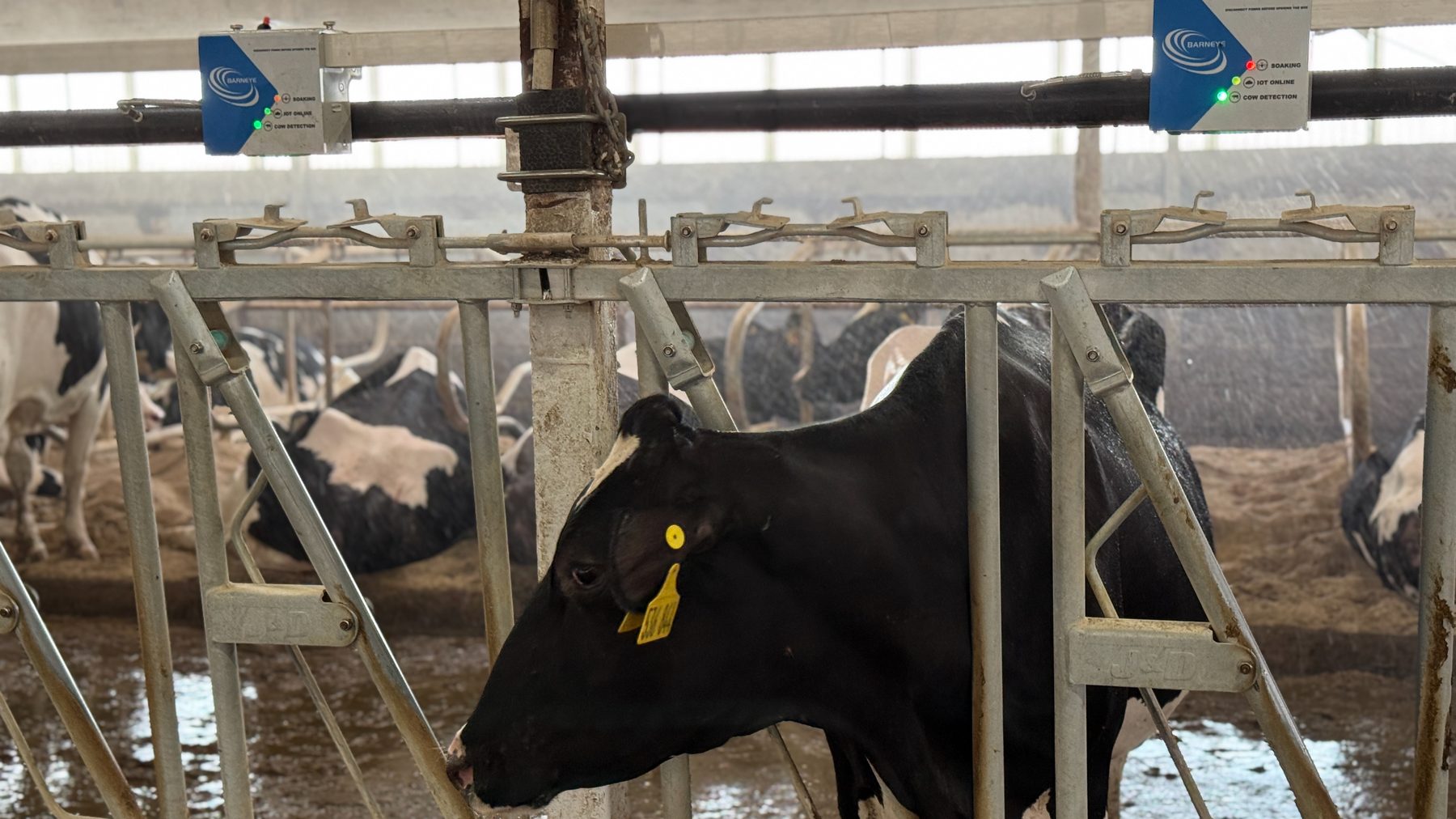
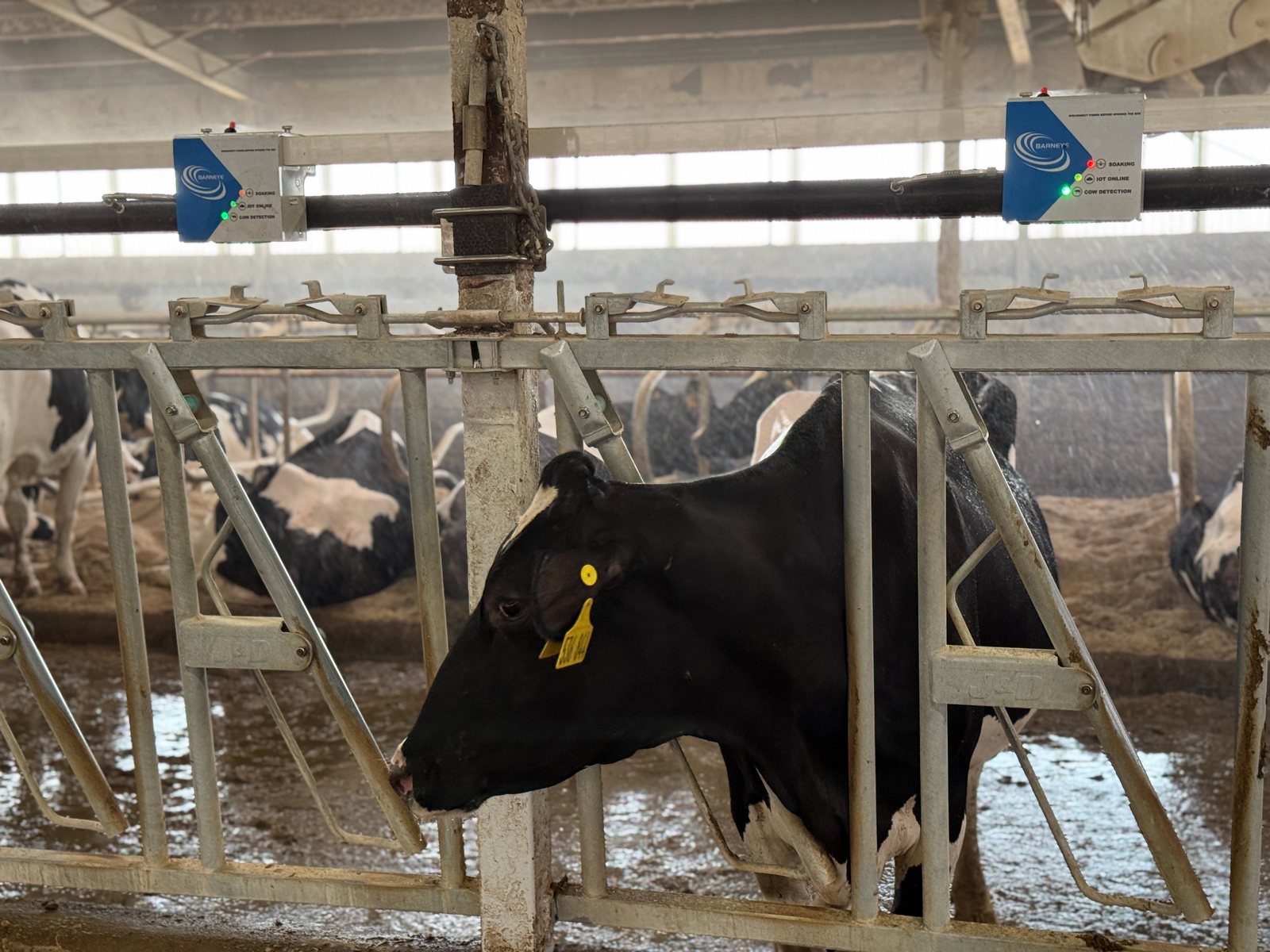
Cows standing at a feed rail with a soaking line and blue nozzles above them
A feed rail on a BARNEYE project. The DB3 line is the same as Basic; what Standard changes is the controller above it.
  • 1.5–2.1 mStandard spacing options
  • 6Environmental inputs
  • 2Systems coordinated
  • 60 %+Less water than timed soaking
Equipment

What the system is made of

A controller, a soaking output module and the same DB3 line the Basic grade uses. The field hardware does not change at this step — the intelligence above it does.

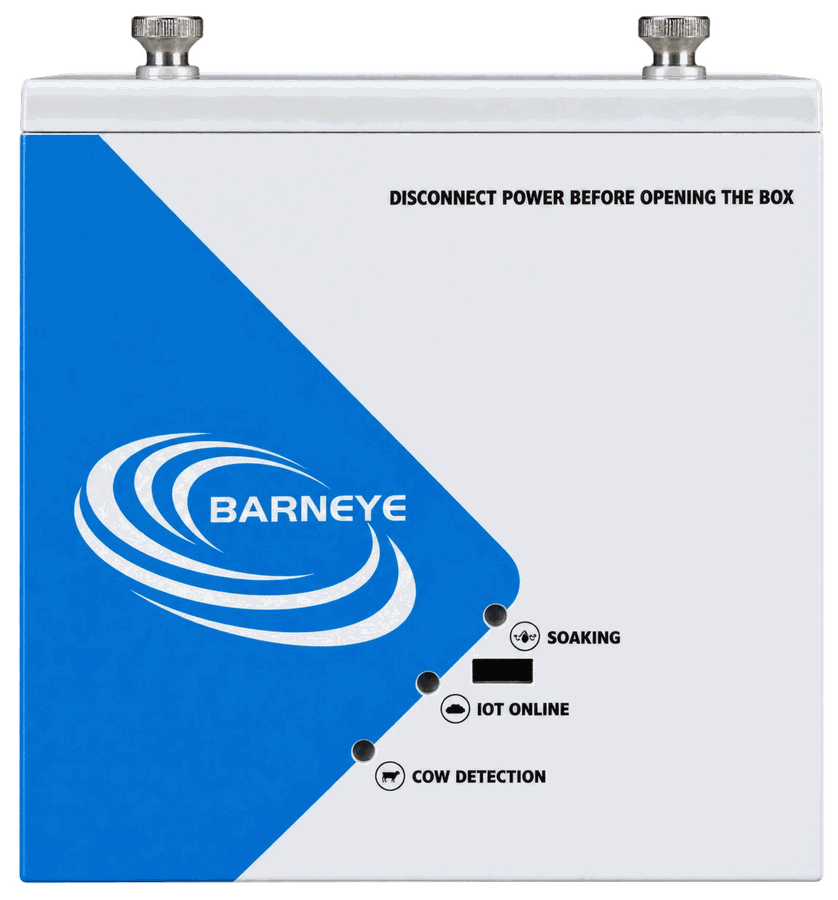
ECU-01-006-000One per barn

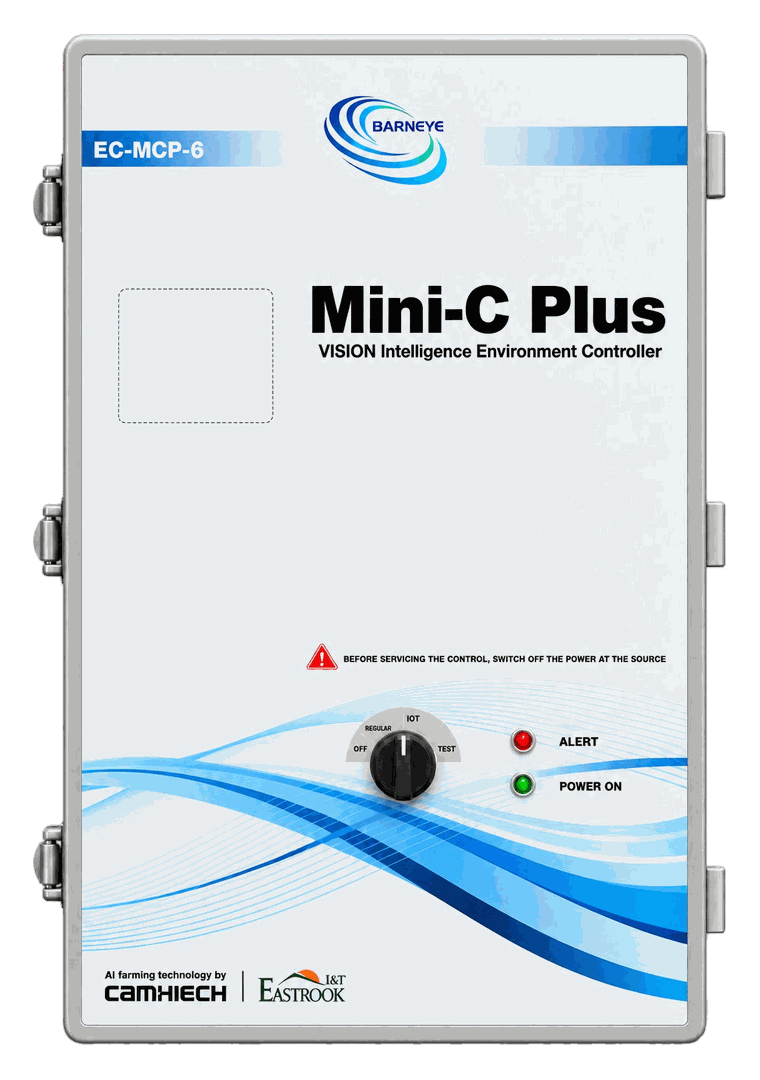
Mini-C Plus

The controller at the centre of this grade. It holds the ventilation strategy for every zone, reads the environmental inputs and coordinates the fan groups. Six module slots take the VFD module and whichever input modules the barn needs.

  • Ventilation strategy for every zone in one enclosure
  • Six module slots for control, acquisition and communication modules
  • Built-in temperature and humidity, with THI calculated on board
  • Platform link for remote setting and multi-farm management
Open the Mini-C Plus
CCM-01-002-008One per Mini-C Plus · 8 valve outputs

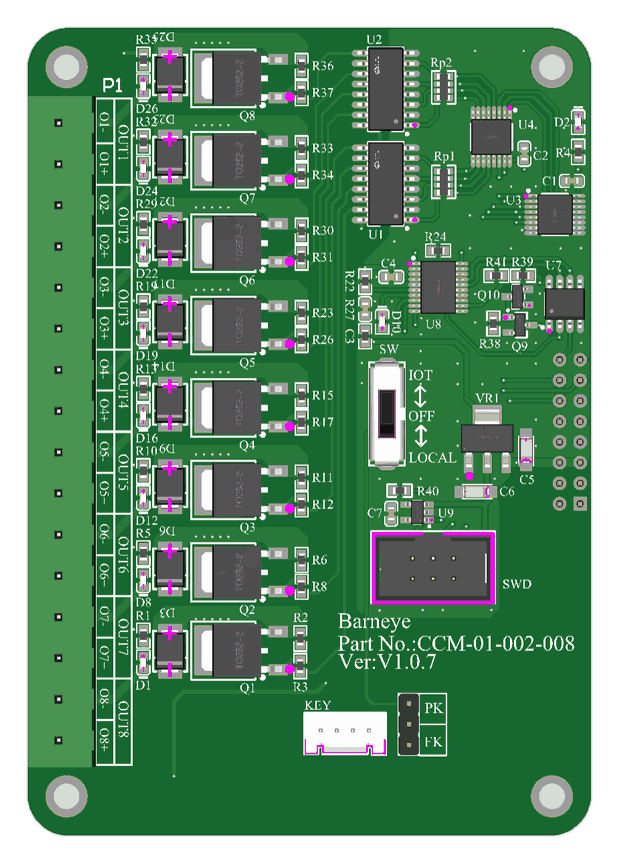
VSO module

The soaking output board — the MD-VSO-8, part CCM-01-002-008 — carries eight 24 V outputs that drive the valves directly, with a 12–36 V input range. It is what opens and closes the DB3 line, so the cabinet that used to stand at the service end becomes a slot inside the controller.

  • Eight valve outputs on one module
  • 24 V drive outputs, 12–36 V input range
  • Seats in a Mini-C Plus module slot
  • Firmware updated with the controller
See the module slots
CTU-01-002-001One per 1.5–2.1 m of feedline

DB3 Motion Soaker

The field unit is unchanged from Basic. Motion sensing, the status lights and the 24 V solenoid valve live inside one IP66 enclosure that clamps to the feedline rail at 1.8–2.0 m.

  • 60° detection cone, 0.75–1.0 m range
  • 3.5 L/min standard flow rate
  • Red, yellow and green status lights on the face
  • 304 stainless bracket, IP66 solenoid valve
Open the DB3
per projectSupplied as required

Environmental sensors

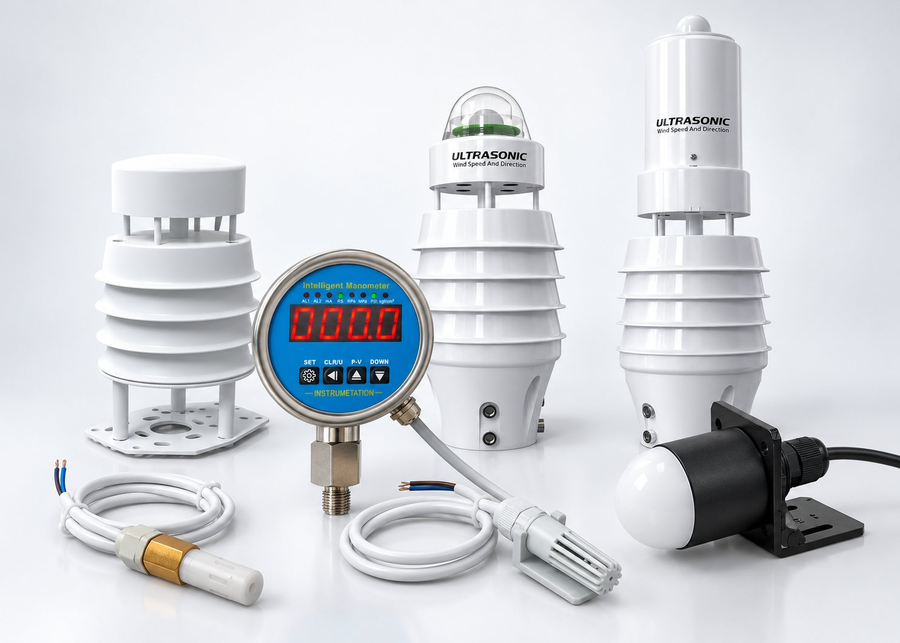
Temperature, humidity, THI, light, indoor/outdoor pressure difference, water pressure — and whatever else the barn needs through the module slots. Sensors are supplied as required: the controller can run on its built-in readings alone, or on several external inputs at once, and a single strategy can weigh more than one at a time.

  • Built-in temperature and humidity, THI calculated on board
  • Additional sensors for light, pressure difference and water pressure
  • Modbus RTU over RS-485, up to 2,000 m
  • Inputs combined into one zone strategy
Open the sensors
COM-01-003-004One per barn network · DIN rail

Industrial router

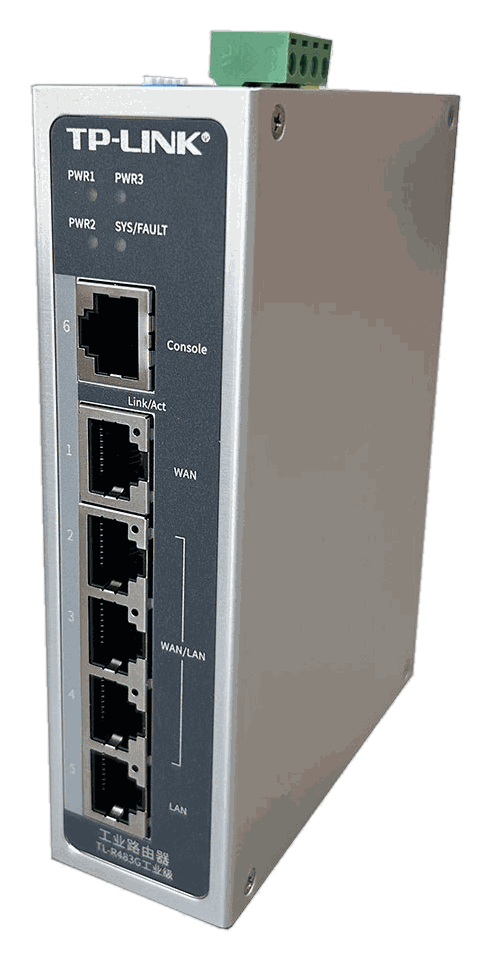
The uplink that puts the barn on the farm network. Multi-WAN and gigabit, on a DIN rail, so the platform can reach the controller and keep reaching it when one WAN drops. Without it the system still runs locally — it just stops being remote.

  • Multi-WAN gigabit uplink
  • DIN rail, barn cabinet
  • Keeps the platform link up across a dropped WAN
Open the industrial router
Grade ladder

Where this grade sits

All three grades use the same soakers on the same rail. The grades differ in what decides when a circuit opens, and how finely that decision can be made.

  1. Basic —
    DB7 + DB3
    A DB7 cabinet switches eight circuits and holds a local strategy. Soaking runs on schedule and on cow presence, with no network needed.
  2. Standard —
    Mini-C Plus + VSO + DB3
    The cabinet becomes a module slot, the strategy moves to the platform, and the climate and the fans enter the decision. This is the grade described on this page.
  3. Advanced —
    replace DB3 with DB5
    Every nozzle becomes its own device with its own cycle, status and history. Mini-C Plus, cameras and vision recognition are all retained.
Layout

Where TargetSoak Standard sits in the barn

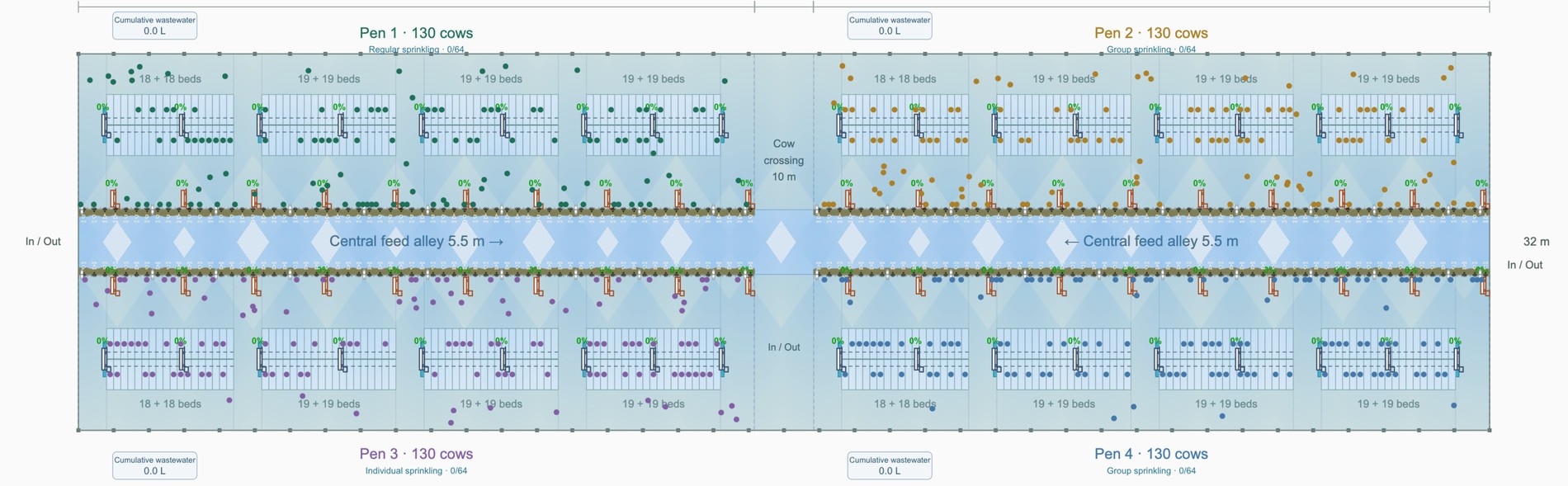
Both feed alleys carry a soaking line, as at Basic. Standard adds the inputs that decide when a line may open, and the link to the fans that share the same air.

Example layoutThis drawing is an example. Its basic conditions come from Live Barn and it is not an actual dairy barn — it shows how a layout is put together and must not be used as a configuration reference for any real project.Talk to us and we will prepare a solution for your barn

Both 5.5 m feed driveways carry a DB3 line, 256 soakers in all. The lying areas stay dry, and the 10 m crossing and the entrances stay unsprinkled.

  1. 1
    DB3 line — 256 soakers, both feed alleysCoverage is set by spacing along the rail. Each unit still opens on cow presence alone, so a line never runs for an empty bunk.
  2. 2
    Spray runs — 256 drops, 4 to the Mini-C PlusTwo trunks, one per alley, with four sections handed to the controller at the service end. That is what turns the line into switchable sections.
  3. 3
    Mini-C Plus — one controller at the service endThe DB7 cabinet is gone; its outputs now live in a module slot on the controller, which is also where the environmental inputs land.
  4. 4
    Coordination with FanPilot — alternating operationThe two systems share a view of the barn, so soaking can wait while the fans are working the alley. Requires Standard or Advanced on both.
Why TargetSoak Standard

Soaking that answers the climate

The water saving comes from the DB3 line and stays at every grade. Standard adds the judgement about when that line should be open in the first place.

Soaking that answers the climate

THI, humidity and temperature feed the strategy, so a cool morning is not soaked on schedule and a hot afternoon is not left waiting for the next cycle.

Alternating with ventilation

Soaking and fans can take turns instead of working against each other — less water evaporated straight off the feed, and a feed alley that stays wet long enough to matter.

One cabinet becomes one slot

The VSO module replaces the standalone DB7 cabinet: fewer enclosures at the service end, one power feed, and firmware that updates with the controller.

Multi-farm management

Strategies are set in the platform and applied across houses and sites. Local panel setup is a Basic-only convenience; Standard trades the panel for the platform.

Soaking that knows what the barn is doing

Send us the barn drawing and the water supply details. We will size the DB3 line, place the sensors that actually drive the decision, and tell you whether the coordination with FanPilot is worth wiring on your site.

Send us your barn plan
DB3 count from your drawing
Sensor placement
Coordination with FanPilot